
Categories
Lawn & GardeningPublished January 8, 2026
How to Care for Indoor Plants- A Beginner's Guide

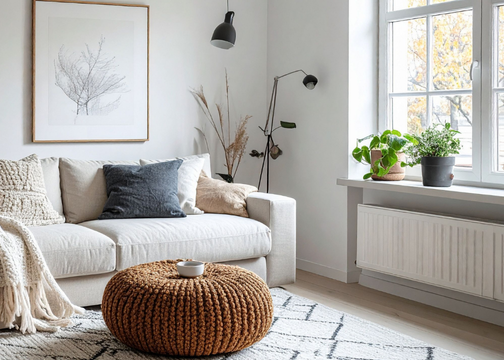
Indoor plants are a popular way to add beauty, comfort, and life to a home. Learning how to care for indoor plants properly helps them thrive while enhancing your living space. Whether you are new to houseplants or want to improve your plant care routine, understanding the basics of light, water, soil, and placement can make all the difference. This guide shares simple indoor plant care tips that work for beginners and experienced plant lovers alike.
Choose the Right Indoor Plants for Your Home
KEY THINGS TO CONSIDER:
• Amount of natural light
• Room temperature
• Time available for care
Choosing the right indoor plant is the first step toward success. Every home has different lighting and temperature conditions, and selecting plants that match those conditions prevents stress and frustration. Low light homes do well with snake plants, pothos, and ZZ plants, while brighter homes can support a wider variety of houseplants. When plants are chosen intentionally, indoor plant care becomes easier and more enjoyable.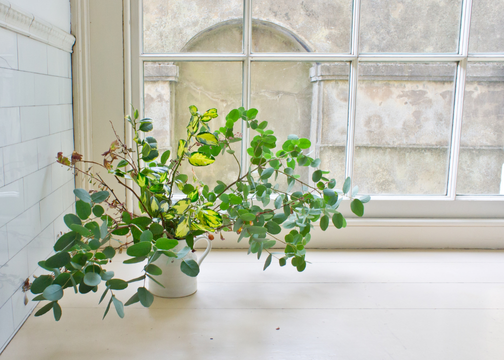
Understand Indoor Plant Light Requirements
COMMON LIGHT CONDITIONS:
• Bright indirect light
• Low light areas
• Direct sunlight
Light is essential for indoor plant growth. Most houseplants grow best in bright indirect light, which usually means placing them near a window without direct sun exposure. Too much light can damage leaves, while too little light can cause slow growth and poor color. Understanding your home’s natural light patterns allows you to place indoor plants where they can grow strong and healthy.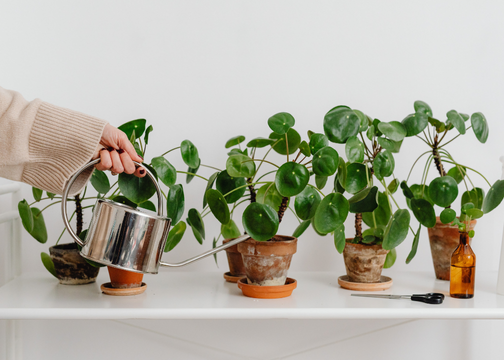
Water Indoor Plants the Right Way
WATERING REMINDERS:
• Check soil moisture before watering
• Use pots with drainage holes
• Do not let roots sit in water
Knowing when and how to water indoor plants is one of the most important parts of plant care. Over watering is a common issue and often leads to root problems. Instead of following a strict schedule, check the soil regularly and water only when needed. Proper drainage is essential to prevent water buildup and protect plant roots.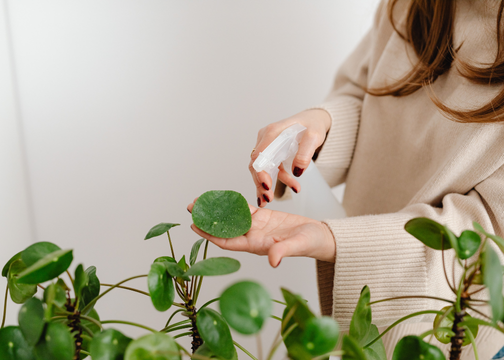
Maintain Proper Humidity for Houseplants
HUMIDITY TIPS:
• Group plants together
• Light misting when needed
• Use a humidifier in dry seasons
Many indoor plants come from tropical environments and prefer higher humidity levels. Dry indoor air can cause leaf browning and curling. Increasing humidity helps plants maintain healthy leaves and overall appearance. Small adjustments can greatly improve indoor plant health, especially during colder months.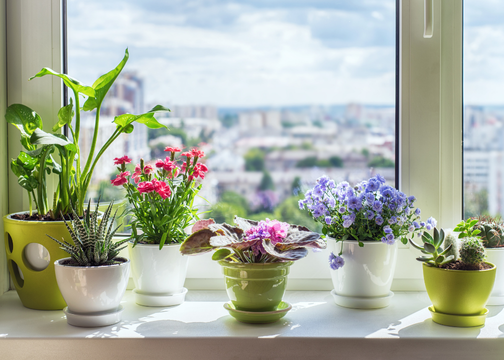
Fertilize Indoor Plants for Healthy Growth
FERTILIZING GUIDELINES:
• Use a balanced houseplant fertilizer
• Feed during spring and summer
• Reduce feeding during fall and winter
Indoor plants rely on nutrients to support growth. Over time, soil nutrients become depleted, making fertilizing an important part of plant care. Applying fertilizer during the growing season encourages strong leaves and roots. Avoid over feeding, as too much fertilizer can damage plants.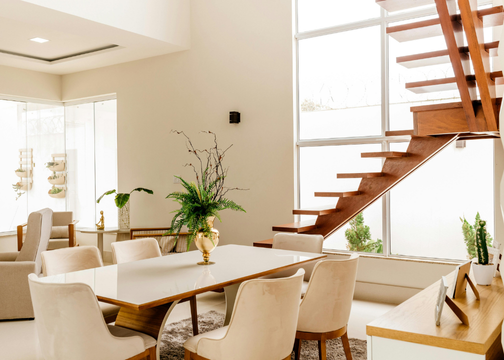
Watch for Indoor Plant Problems and Pests
SIGNS TO LOOK FOR:
• Yellow or wilting leaves
• Spots or discoloration
• Small insects in soil or on leaves
Healthy indoor plants should be checked regularly. Changes in leaf color or texture often signal a problem with light, water, or pests. Catching issues early makes them easier to correct and helps keep plants thriving long term.
Caring for indoor plants creates a more inviting and comfortable home. With proper light, mindful watering, quality soil, and regular observation, anyone can maintain healthy houseplants. Indoor plants not only improve your living space but also support a calm and welcoming environment.
Did you find this guide useful? Share it with a fellow plant lover who would enjoy these indoor plant care tips!
|


or another way